A
⚾ Mr. Sunshine Meets Sisyphus: The Philosophy of Joyful Defeat
🌞 Ernie Banks — “Mr. Cub”
Few athletes embody joy in the face of defeat like Ernie Banks, the beloved Chicago Cub known as “Mr. Sunshine.”
Played his entire career with the Chicago Cubs
Back-to-back NL MVP (1958, 1959)
Never won a World Series
Famous for the phrase: “Let’s play two!”
Banks loved baseball so deeply that even a doubleheader on a cold April day at Wrigley Field was a gift.
And that’s the philosophical key: the joy was in the playing, not the winning.
🧠 Existentialism: To Be Is To Do
The philosophy behind this article draws from existentialism, especially:
Jean-Paul Sartre
Albert Camus
Sartre famously inverted Descartes’ formula. Instead of “I think, therefore I am,” Sartre argued:
To be is to do.
You are what you enact.
You’re a writer because you write.
A friend because you show up.
A ballplayer because you play.
Identity isn’t discovered — it’s performed into existence.
🪨 The Myth of Sisyphus and the Absurd Hero
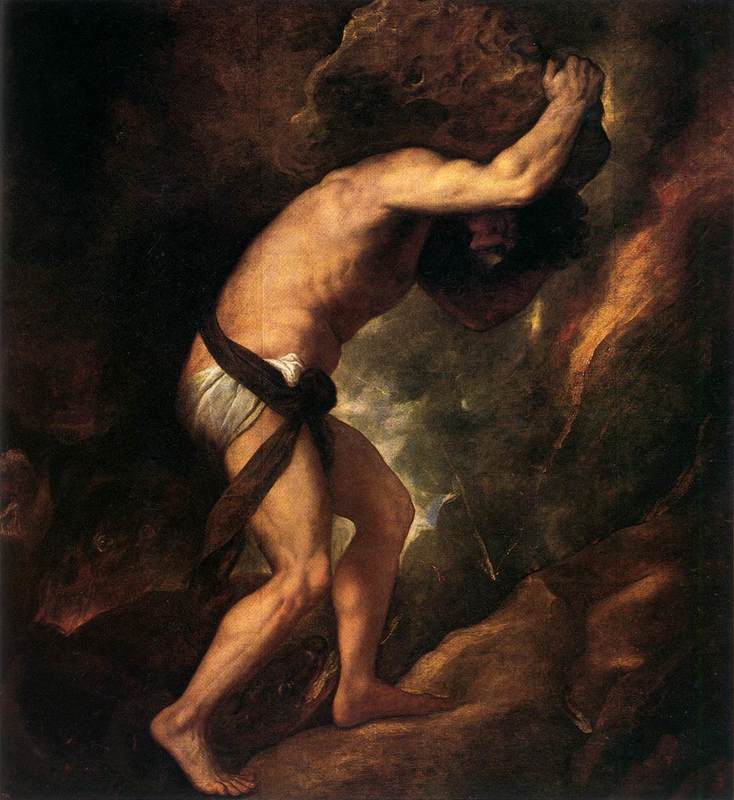


Camus pushes further. In a world that:
Doesn’t care,
Often blocks our dreams,
Guarantees eventual failure,
why keep going?
His answer comes through the myth of Sisyphus — condemned forever to roll a stone uphill only to watch it fall again.
The torment, Camus says, isn’t the labor.
It’s the awareness of futility.
But Sisyphus can rebel — not by escape, but by choosing the struggle. If he wants the task, he reclaims his dignity.
Camus concludes:
“One must imagine Sisyphus happy.”
The defiance is in the choice.
🌤️ Banks vs. Camus: Love Instead of Scorn
Here’s where Ernie Banks becomes philosophically radical.
Camus imagines Sisyphus reclaiming meaning through scorn — a kind of existential defiance.
Banks offers something softer and perhaps deeper: joyful engagement.
Banks didn’t:
Mock the baseball gods,
Rage against futility,
Treat the season as cosmic punishment.
He simply loved playing.
Even knowing:
The Cubs would likely lose,
October glory was improbable,
The grind would repeat every year.
His rebellion wasn’t scorn.
It was affection.
🎯 The Philosophy of Joyful Defeat
Banks shows us three existential lessons:
1️⃣ Meaning Is in the Doing
Not the trophy.
Not the ring.
Not the parade.
The act itself carries value.
2️⃣ Outcomes Don’t Define Worth
A losing season doesn’t erase a meaningful life.
3️⃣ Love Beats Defiance
Where Camus imagines clenched fists, Banks offers open hands.
🌬️ “Let’s Play Two” as a Way of Life
February baseball hope mirrors existential freedom:
This could be our year.
This could be the season.
This could be the breakthrough.
But even when it isn’t?
We still get to play.
And that might be enough.
Ernie Banks lived as if the privilege of participation outweighed the pain of defeat. In existential terms, he didn’t just accept the absurd — he enjoyed it.
On cold days, in losing seasons, facing impossible hills, the Banksian response is simple:
Let’s play two.

No comments:
Post a Comment