A
🌍 Geocaching


🧭 What Is Geocaching?
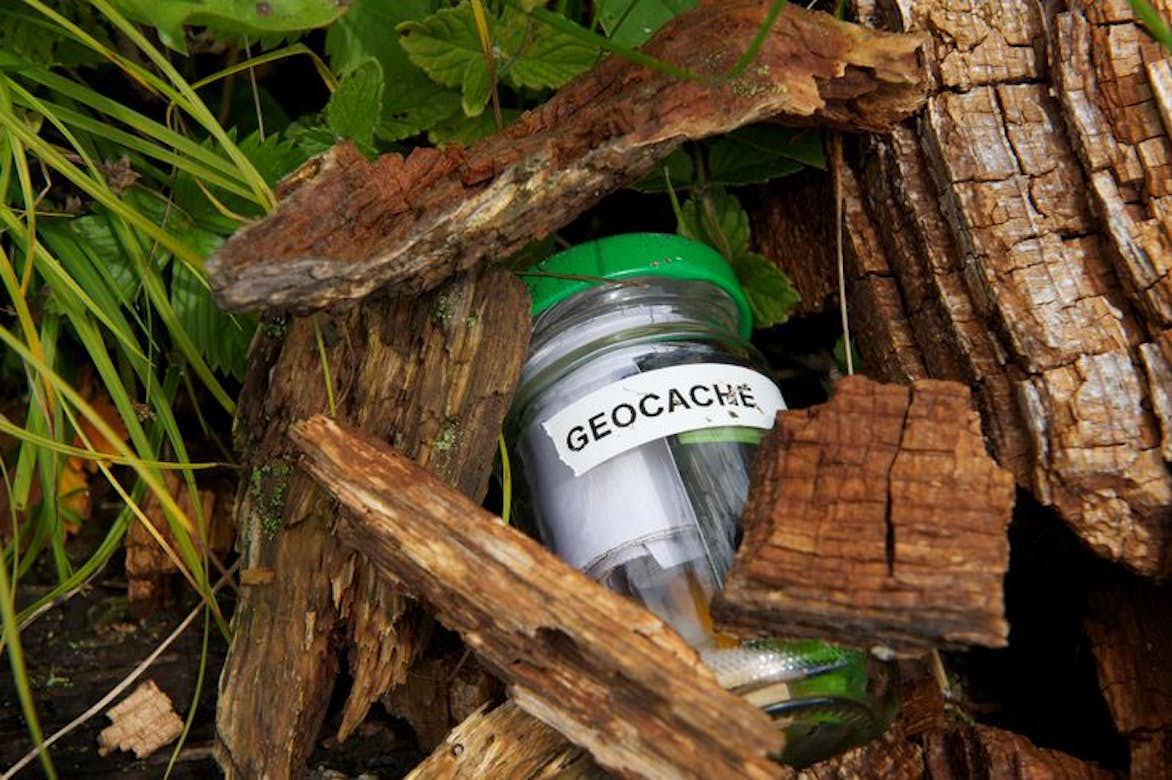
Geocaching is a real-world outdoor treasure hunt where players use GPS coordinates to find hidden containers (“caches”) placed by other participants.
It was launched in 2000 after GPS accuracy was opened to the public, and is organized globally through platforms like:
Geocaching
📦 What’s Inside a Cache?
A typical cache may contain:
📓 A logbook (to sign your name)
🧸 Small trade items (toys, pins, trinkets)
🔑 Occasionally trackable items (“Travel Bugs”)
Rule: Take something, leave something (equal or greater value).
📍 How It Works
📱 Download the Geocaching app.
🗺️ Choose a nearby cache.
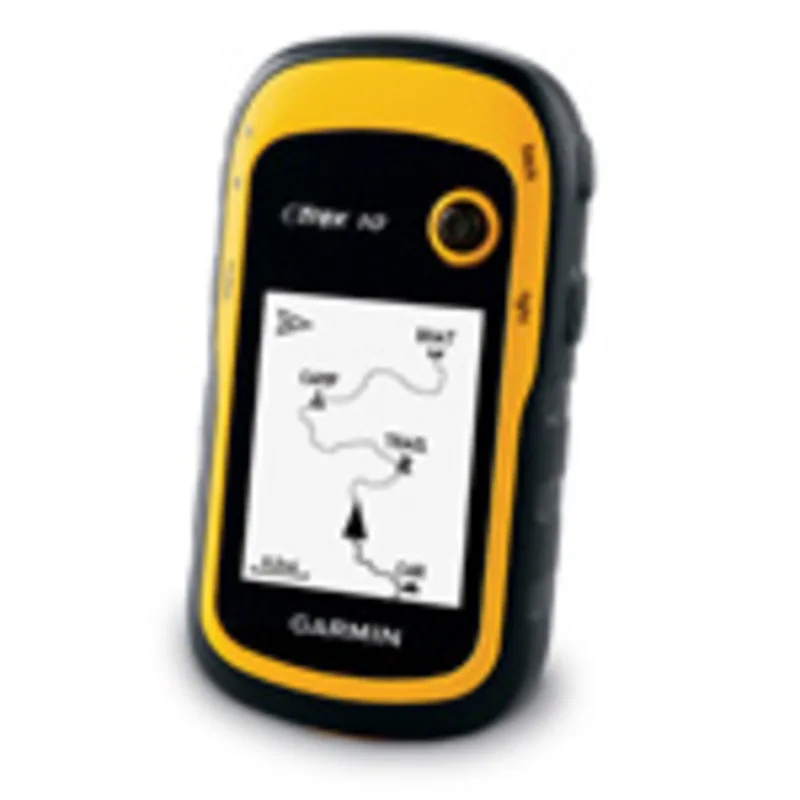
📡 Use GPS coordinates to navigate.
🔎 Search carefully at the location.
✍️ Sign the logbook.
📲 Log your find online.
🧩 Types of Geocaches
Traditional Cache – Coordinates lead directly to container.
Multi-Cache – Multiple locations, clues at each.
Mystery/Puzzle Cache – Solve a puzzle to get final coordinates.
EarthCache – Educational geology-based location.
Event Cache – Meetups for geocachers.
🎯 Why People Love It
🥾 Encourages outdoor exploration
🧠 Puzzle-solving challenge
🌎 Discover hidden local spots
👨👩👧 Family-friendly activity
✈️ Travel adventure
There are millions of caches worldwide across cities, forests, deserts, and mountains.
⚖️ Basic Etiquette (Important!)
Respect private property.
Do not disturb wildlife.
Re-hide the cache exactly as found.
Practice “Cache In, Trash Out” (clean up litter).
🧠 Fun Fact
The first official geocache was hidden by Dave Ulmer in Oregon in May 2000 — originally called the “GPS Stash Hunt.”
📝 TL;DR
Geocaching is a global GPS-based treasure hunt where players search for hidden containers and log their discoveries.
If you’d like, I can also explain:
🏕️ Beginner tips
🎒 What gear to bring
🌍 Best geocaching countries
🧭 How to hide your own cache
👨👩👧 Geocaching for kids vs adults

No comments:
Post a Comment