A
🜏 Gnostics – The “Fall of Perception”
The phrase “Fall of Perception” isn’t a historical title from ancient texts, but it beautifully captures a core theme of Gnosticism:
Humanity did not merely “fall” morally — it fell into misperception.
Let’s break that down clearly.
1. What Is Gnosticism?

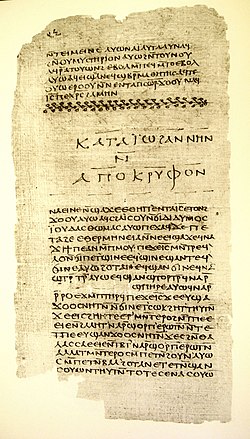

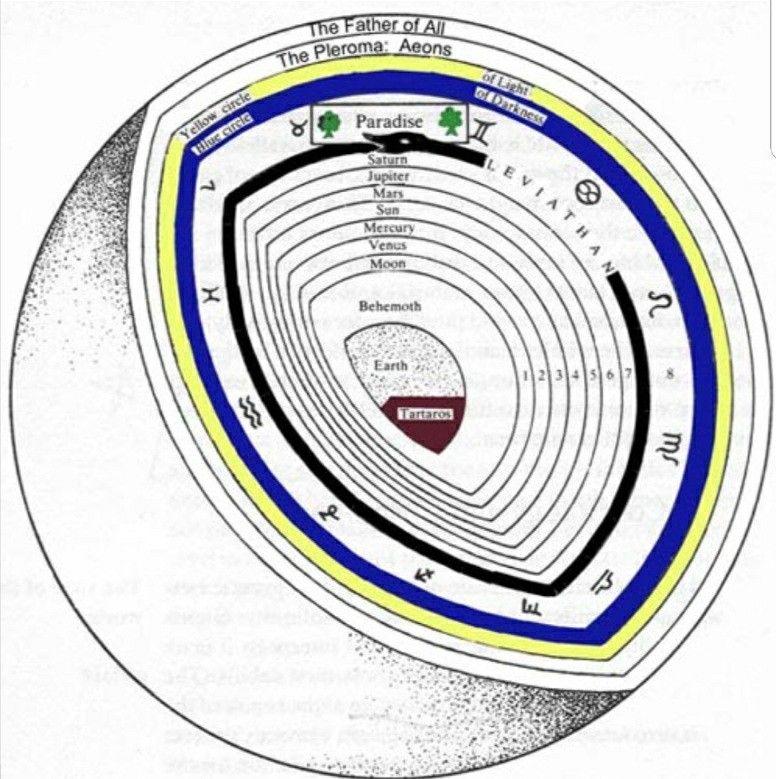
Gnosticism (1st–3rd century CE) was a mystical spiritual movement that emerged around the same time as early Christianity.
The word comes from the Greek gnosis, meaning direct experiential knowledge — not belief, but awakening.
Gnostics taught:
The material world is not the ultimate reality.
The divine spark is inside humans.
Ignorance (not sin) is the root problem.
Salvation comes through awakening to true perception.
2. The “Fall” in Gnostic Thought
In orthodox Christianity, the Fall (Genesis) is about disobedience.
In Gnostic myth, the fall is about misperception of reality.
Central figures include:
Sophia – Divine Wisdom
Yaldabaoth – The false creator (Demiurge)
The Story (Simplified)
Sophia (Wisdom) emanates from the divine fullness (Pleroma).
Through imbalance or error, she generates a flawed being: Yaldabaoth.
Yaldabaoth creates the material universe.
He believes he is the only god.
Humans are formed — but contain a hidden divine spark.
Humanity forgets its origin.
That forgetting = the Fall.
Not falling from heaven…
but falling into illusion.
3. The Fall as a Collapse of Perception
Gnostics believed:
| Before the Fall | After the Fall |
|---|---|
| Direct knowing | Belief systems |
| Unity | Separation |
| Light-awareness | Material identification |
| Divine identity | Ego identity |
The “Fall of Perception” means:
We mistake appearance for reality.
We mistake the body for the self.
We mistake the false creator for the true Source.
We mistake control for truth.
The world becomes a veil.
4. The Demiurge and False Reality
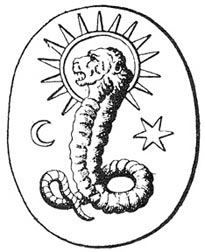


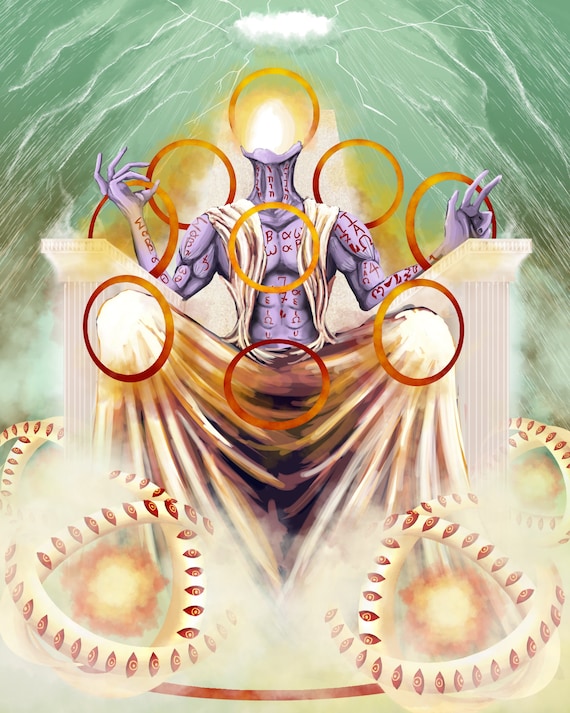
The Demiurge (often linked symbolically with the jealous god of the Old Testament in some Gnostic texts) represents:
Ego consciousness
Control-based authority
Cosmic ignorance
The tragedy isn’t that we sinned.
The tragedy is that we forgot who we are.
5. Jesus in Gnosticism
In many Gnostic texts like the Gospel of Thomas, Jesus is not primarily a sacrifice for sin.
He is a revealer of perception.
He says (Thomas 3):
“The Kingdom is inside you and outside you.”
Salvation = remembering.
6. Psychological Interpretation (Modern View)
Modern thinkers reinterpret Gnosticism symbolically:
Sophia = intuition
Demiurge = egoic mind
Material world = conditioned perception
Gnosis = awakening
The Fall of Perception = identifying with mental constructs instead of direct awareness.
7. Core Gnostic Insight
You are not broken.
You are asleep.
The problem isn’t moral failure — it’s ontological amnesia.
And the solution is not obedience — but awakening.
If you'd like, I can also explain:
The Gnostic view of the Garden of Eden
How Gnosticism differs from orthodox Christianity
The connection between Gnosticism and modern simulation theory
Or how this idea parallels Buddhism
Where would you like to go next?

No comments:
Post a Comment