A
Neurobiology of Lucid Dreaming

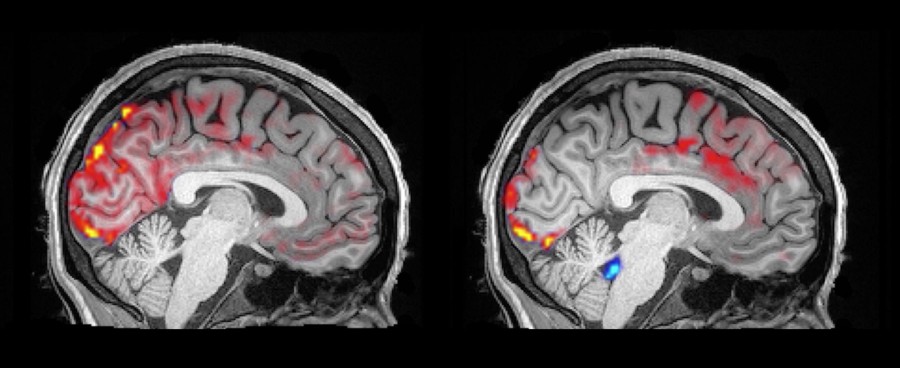
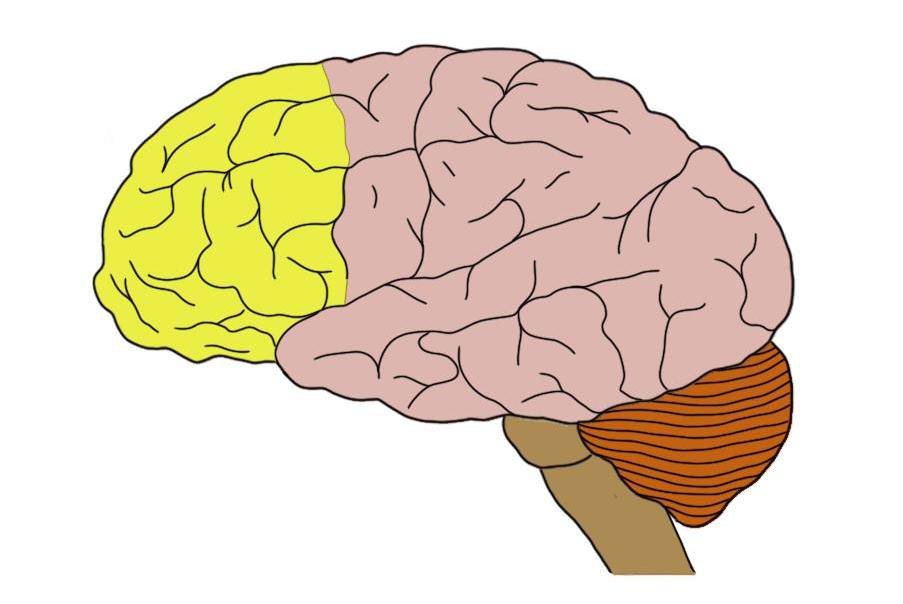
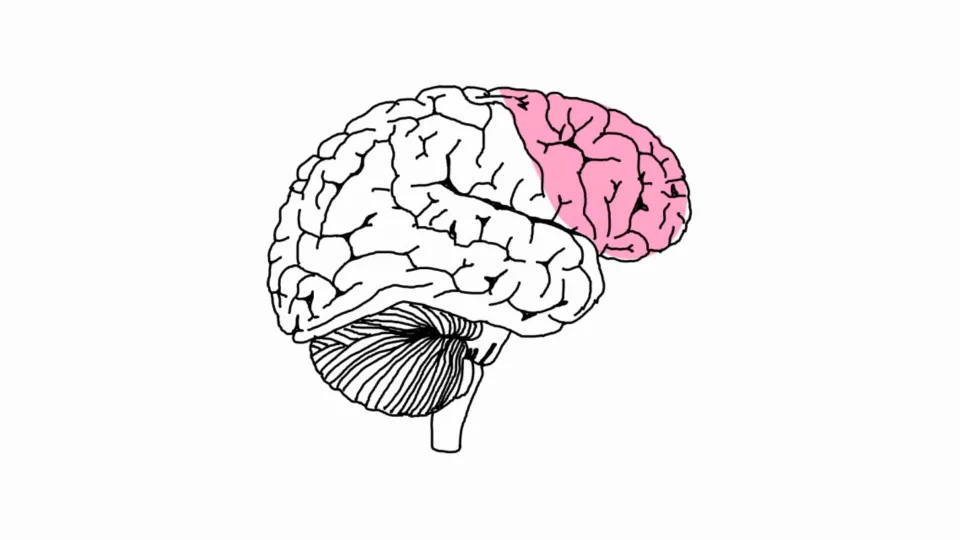
Lucid dreaming happens when you become aware that you’re dreaming while still asleep. Neurobiologically, it represents a hybrid state — combining features of REM sleep and waking consciousness.
1) REM Sleep: The Dreaming Foundation
Most lucid dreams occur during REM (Rapid Eye Movement) sleep, the stage associated with vivid dreaming.
During REM:
The visual cortex is highly active → intense imagery
The limbic system (emotion centers) is active → strong emotional tone
The prefrontal cortex (logic, self-reflection) is usually less active
This reduced prefrontal activity is why normal dreams often feel illogical.
2) Prefrontal Cortex Reactivation: Awareness Switch
In lucid dreaming, something unusual happens:
Parts of the dorsolateral prefrontal cortex reactivate.
This region supports metacognition (thinking about thinking).
You regain self-awareness — the realization: “This is a dream.”
Studies using EEG and fMRI show increased activity in:
Frontoparietal networks
The precuneus (linked to self-reflection)
Gamma-frequency brain waves (~30–50 Hz), associated with conscious awareness
Lucid dreaming is therefore considered a blended state of REM sleep and waking consciousness.
3) Brain Networks Involved
Lucid dreaming involves interaction between:
Default Mode Network (DMN) → self-referential thinking
Frontoparietal Control Network → executive control
Temporoparietal junction → body awareness
Unlike regular dreams, these networks communicate more strongly during lucidity, enabling:
Insight
Volitional control
Decision-making inside the dream
4) Neurochemistry of Lucid Dreams
REM sleep is characterized by:
High acetylcholine
Low serotonin
Low norepinephrine
Some research suggests increasing acetylcholine (e.g., via cholinergic activity) may increase the likelihood of lucid dreams — but this area is still under investigation.
5) Is Lucid Dreaming a Separate State?
Neuroscientists debate whether lucid dreaming is:
A subtype of REM sleep
A transitional state between REM and wakefulness
Or a unique third state of consciousness
Most evidence supports it as a hybrid state — REM sleep with restored higher-order cognitive function.
Why It Matters
Understanding the neurobiology of lucid dreaming may help in:
Studying consciousness
Treating nightmares and PTSD
Exploring metacognition
Investigating how the brain constructs reality
Lucid dreaming shows that consciousness is not simply “on” or “off.”
It’s flexible — and the brain can generate awareness even within sleep.
In Short
Lucid dreaming occurs when the emotional and visual intensity of REM sleep combines with the self-awareness and executive control of waking brain networks.

No comments:
Post a Comment