A
3 Key Lessons on Dreaming, Insight & Mental Balance
1) Lucid dreaming holds promise — but isn’t for everyone
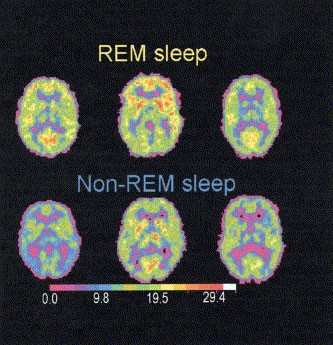
Lucid dreaming can offer powerful self-awareness and creative insight.
However, it may not be suitable for people with conditions like Schizophrenia or dissociation, where distinguishing reality from imagination is already difficult.
Researchers such as Stephen LaBerge believe it has enormous potential — but it must be approached responsibly.
Lesson: Expanded states of consciousness can be transformative, but mental well-being must always come first.
2) Dreams can reflect collective emotions, not just personal ones
The concept of social dreaming, developed by Gordon Lawrence, explores how shared dreams reveal collective hopes and fears.
During the COVID-19 pandemic, many people reported similar dreams of catastrophe, loss of control, and anxiety.
Social dreaming matrices allow groups to explore patterns across dreams without personal interpretation, uncovering shared emotional undercurrents.
Lesson: Our dreams can act as mirrors of society, revealing collective trauma, anxiety, and resilience.
3) Daydreaming fuels creativity — but balance is essential
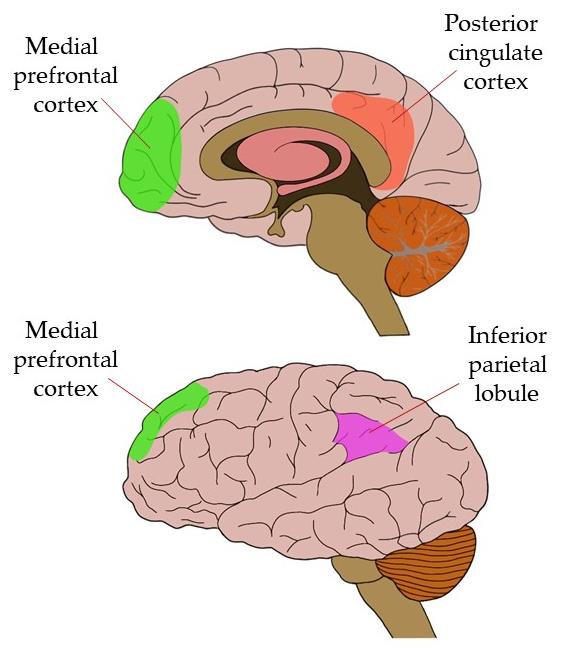
Research shows daydreaming activates the brain’s “default mode network,” linked to imagination and creative thinking.
Many breakthroughs arise during mental “incubation” — when the mind wanders freely.
Yet excessive rumination can contribute to Depression and Anxiety disorder.
Digital distractions increasingly reduce healthy mind-wandering time, especially for children.
Lesson: Let the mind wander — but guide it gently. Creativity thrives on freedom, while mental health depends on balance.
Tagline
“Dream boldly, wander wisely, and balance imagination with well-being.”

No comments:
Post a Comment